The Best Materials for Effective Rodent Proofing: What Works and What Doesn’t
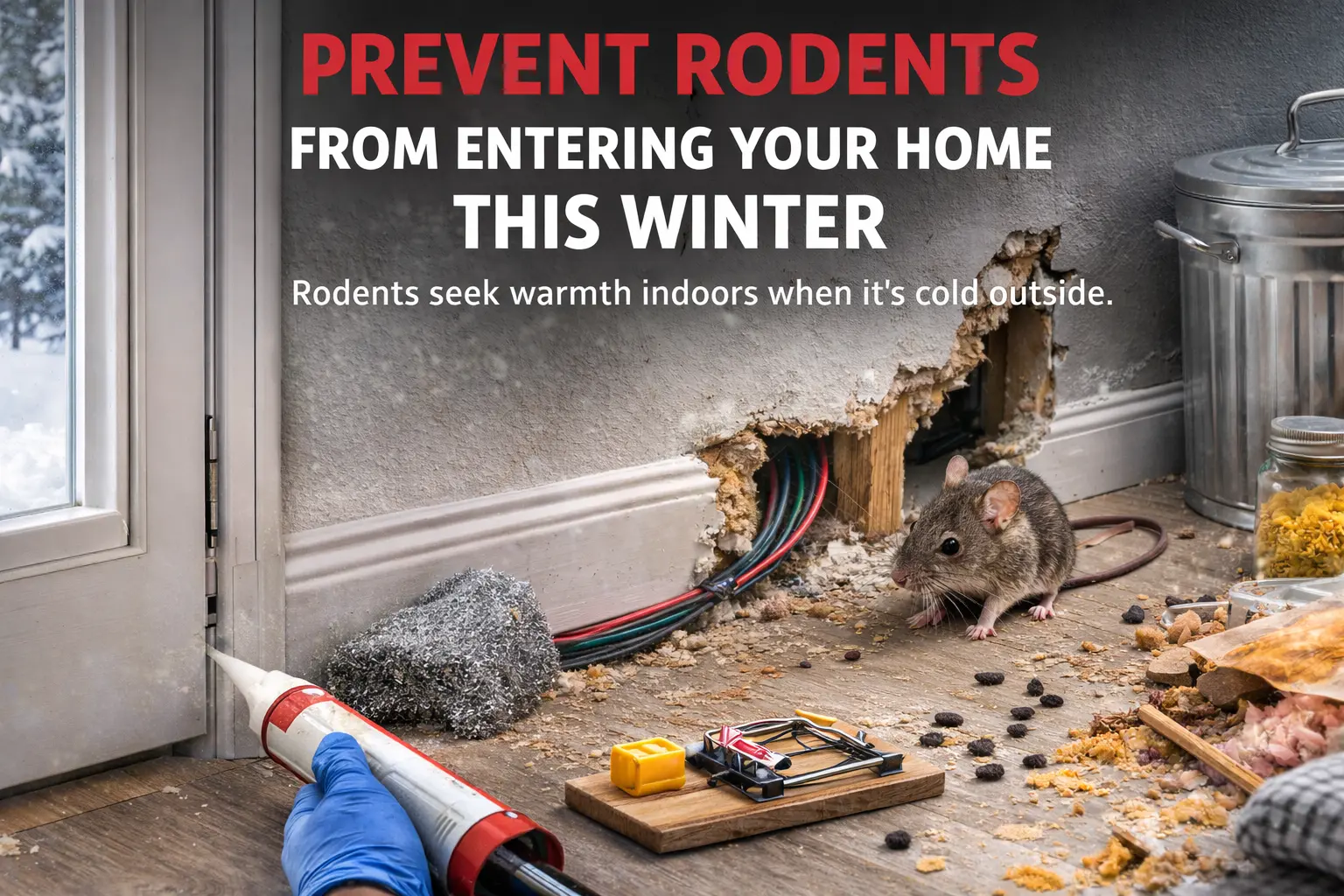
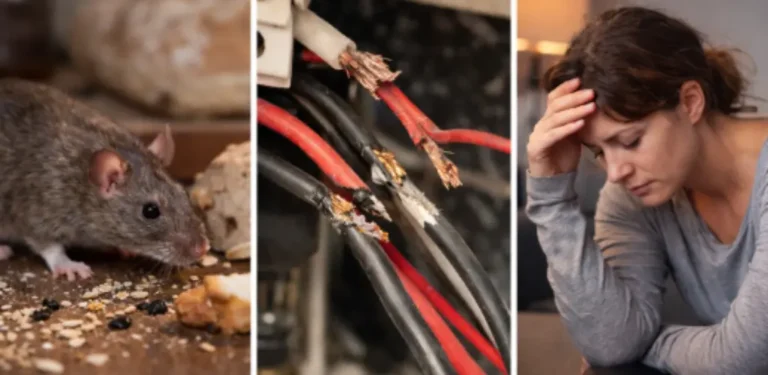
Rodent infestations can cause significant damage to your home, especially during the colder months when mice and rats seek warmth and shelter. One of the best ways to prevent rodents from invading your space is by using the right materials to block their entry points. However, not all materials are equally effective in keeping rodents out. In this post, we’ll explore the best materials for rodent-proofing your home and identify which ones to avoid.
The Ideal Materials for Rodent Proofing: What Works Best
To successfully prevent rodents from entering your home, it’s crucial to choose durable, hard-to-chew materials. Let’s take a look at the most effective options:
Steel Wool: A Top Choice for Sealing Entry Points
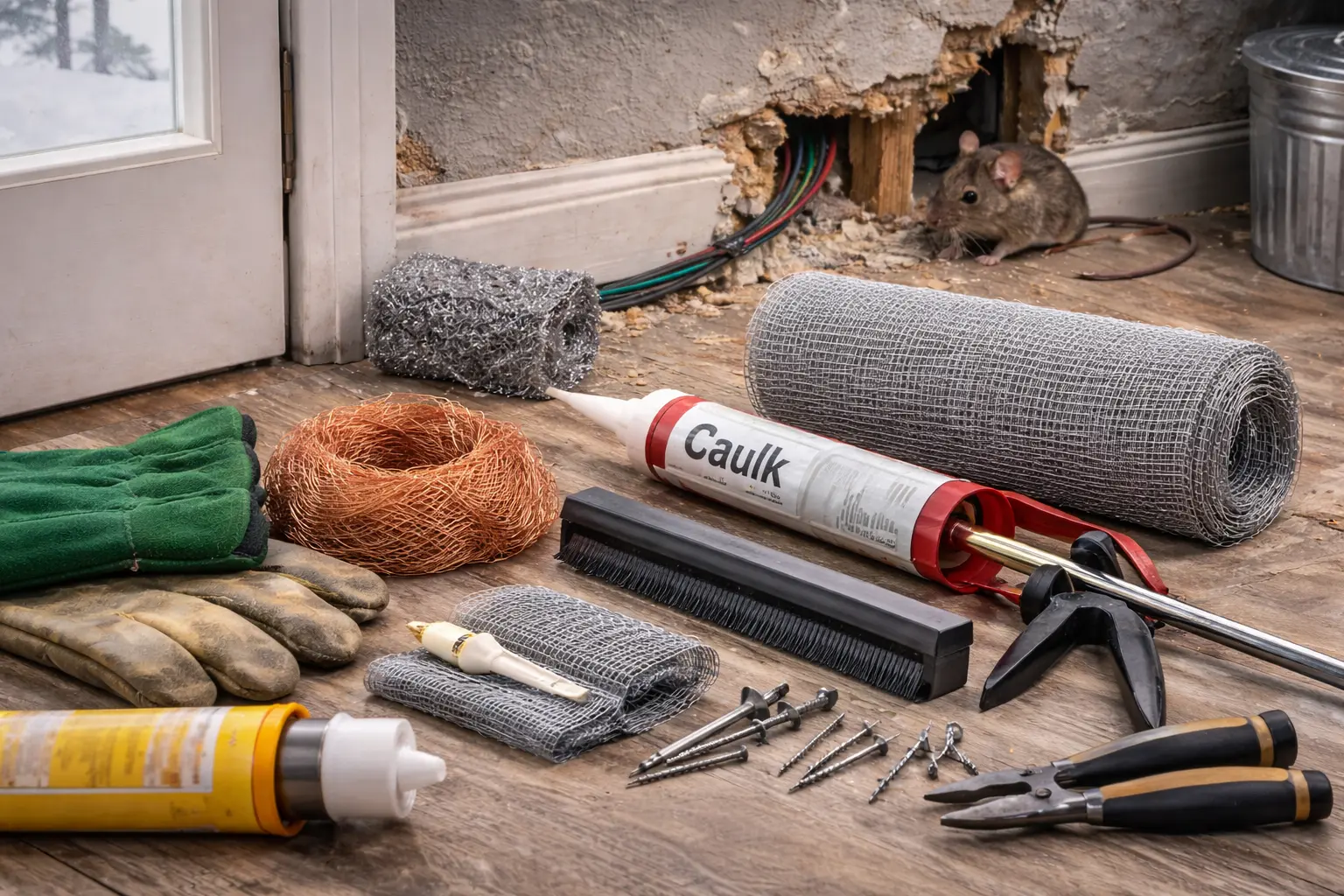
Steel wool is a great material for sealing small cracks and gaps. Its durability and texture make it nearly impossible for rodents to chew through. Steel wool can be used to block entry points around pipes, vents, and small holes in walls. Once placed in cracks, the sharp edges of the steel wool act as a physical barrier, making it highly effective.
How to use it: Stuff steel wool into gaps and cracks, then seal it in place with caulk or expanding foam. This will prevent mice from chewing through and gaining entry.
Caulk and Foam: The Go-To for Sealing Gaps and Cracks
Caulk and expanding foam are excellent options for sealing cracks around doors, windows, and baseboards. Caulk provides a long-lasting, flexible seal for small gaps, while expanding foam works well for larger cracks and holes. Both materials can help keep rodents out by filling gaps that mice might otherwise squeeze through.
How to use it: Apply caulk to smaller gaps and foam to larger ones, making sure to fill every nook and cranny. Check periodically to ensure the seal remains intact.
Wire Mesh and Metal Screens: Durable and Effective for Vents and Larger Openings
For larger openings such as vents, chimneys, and exhaust pipes, wire mesh and metal screens are the most reliable materials to use. Mice can’t chew through metal, so using a fine wire mesh or steel mesh can prevent them from entering your home through these larger openings.
How to use it: Attach the wire mesh securely to cover vents and openings, ensuring it’s tightly fastened to prevent any gaps that rodents could slip through.
Copper Mesh: The Ultimate Rodent Barrier
Copper mesh is another effective material for rodent-proofing, especially for smaller entry points. It’s more durable and difficult for rodents to chew through compared to other mesh options. Copper mesh can be used around utility lines, pipes, and other entry points.
How to use it: Stuff copper mesh into gaps and seal it in place with caulk. The material is pliable, so it can be shaped to fit around irregular spaces.
Heavy-Duty Door Sweeps: Sealing Gaps Below Doors
The gap beneath doors is a common entry point for rodents, especially if the door sweep is damaged or missing. Installing a heavy-duty door sweep can block mice and rats from entering through this area. High-quality door sweeps are made of durable, weather-resistant materials that create a tight seal along the bottom of the door.
How to use it: Attach a door sweep to the bottom of your exterior doors, ensuring it fits snugly to prevent rodents from slipping through.
Materials to Avoid for Rodent Proofing
While there are many materials that work well for rodent exclusion, there are also some that should be avoided. These materials are either ineffective or can make the problem worse by allowing rodents to easily chew through them.
Foam Insulation: Not Effective for Rodent Proofing
Although foam insulation might seem like a good option for sealing gaps, it’s not effective for rodent proofing. Mice and rats can easily chew through foam, rendering it useless as a barrier. While foam insulation is good for energy efficiency, it should not be used as the primary method for blocking rodents.
Plastic Mesh: Too Weak to Stand Up to Rodents
Plastic mesh might appear to be a good option for sealing entry points, but it’s simply not strong enough to keep rodents out. Mice and rats can gnaw through plastic with ease, which makes it ineffective for long-term protection.
Wood and Cardboard: Easy Targets for Rodents
Wood and cardboard are two materials commonly used for DIY rodent proofing. However, they are poor choices because rodents can chew through them effortlessly. Wood can also be damaged by moisture, and cardboard deteriorates over time, making both materials ineffective in the long run.
Best Practices for Using Rodent Proofing Materials
To ensure that your rodent-proofing efforts are successful, follow these best practices:
Combine Multiple Materials for Maximum Effectiveness
While individual materials can be effective, using a combination of materials will give you the best results. For example, combine steel wool with caulk or foam to seal cracks, or use wire mesh along with copper mesh for larger openings. This layered approach ensures that your home is thoroughly protected from rodent entry.
Regular Inspections and Maintenance
Even the best materials can wear down over time, so it’s important to regularly inspect your home for signs of wear. Check seals, meshes, and door sweeps for any signs of damage or gaps that rodents could exploit. Reapply materials as needed to keep your home rodent-free.
Proper Application
Ensure that you apply the materials correctly. For example, when using caulk or foam, make sure the gaps are thoroughly filled and the seal is tight. Improper application can leave small openings that rodents can slip through.
Rodent-Proofing Tools to Have on Hand
When sealing your home against rodents, having the right tools is essential:
- Pest Control Sealant Tools: A high-quality caulking gun and foam applicator are necessary for applying caulk and foam effectively.
- Screws, Nails, and Fasteners: When installing wire mesh or copper mesh, make sure you use appropriate fasteners to securely attach them to your home.
When to Call a Professional: Material Limitations
While DIY rodent proofing is effective in many cases, there are times when professional help is needed. If your home has significant rodent activity or if the infestation is widespread, professional pest control services can offer more effective solutions. A professional can inspect your home, identify entry points, and provide advanced rodent exclusion services.
Conclusion: Choosing the Right Materials for Long-Term Rodent Protection
Rodent proofing your home is essential for preventing infestations, but choosing the right materials is key. Steel wool, caulk, metal mesh, and copper mesh are your best options for keeping rodents out, while materials like foam insulation, plastic mesh, and cardboard should be avoided. By combining these materials, applying them correctly, and maintaining your home regularly, you can ensure long-term rodent protection and keep your home safe from these unwanted invaders.