
Why Rats Suddenly Appear in Oklahoma Homes
Many homeowners are surprised when they suddenly start seeing signs of rats around their property. One week everything seems normal, and the next week there are droppings in the garage, scratching noises in the attic, or signs of chewing around the home.
In most cases, rats do not actually appear overnight. They may have been nearby for weeks before becoming noticeable. Changes in weather, food availability, shelter, and outdoor conditions often push rodents closer to homes.
Understanding why rats show up can help homeowners take action before a small problem becomes a larger infestation. In this article, we’ll look at the most common reasons rats suddenly appear in Oklahoma homes and what you can do to keep them out.
Do Rats Really Appear Suddenly?
It often feels that way, but rats usually give off warning signs before homeowners notice them.
Why Infestations Often Go Unnoticed
Rats are mainly active at night. During the day, they stay hidden inside walls, attics, crawl spaces, garages, and other quiet areas.
A small number of rodents can live on a property for quite some time before anyone realizes they are there.
Common First Signs Homeowners Notice
Many homeowners first discover a problem after noticing:
- Droppings near food storage areas
- Scratching sounds at night
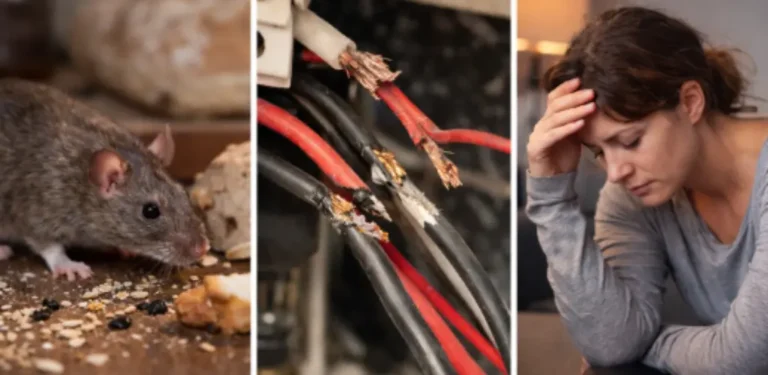
- Gnaw marks on wood or wiring
- Pet behavior changes
- Strange odors coming from walls or attics
Once these signs become noticeable, rodent activity is often already established.
Seasonal Changes Can Drive Rats Indoors
One of the biggest reasons rats move into homes is changing weather conditions.
Fall and Winter Shelter Seeking
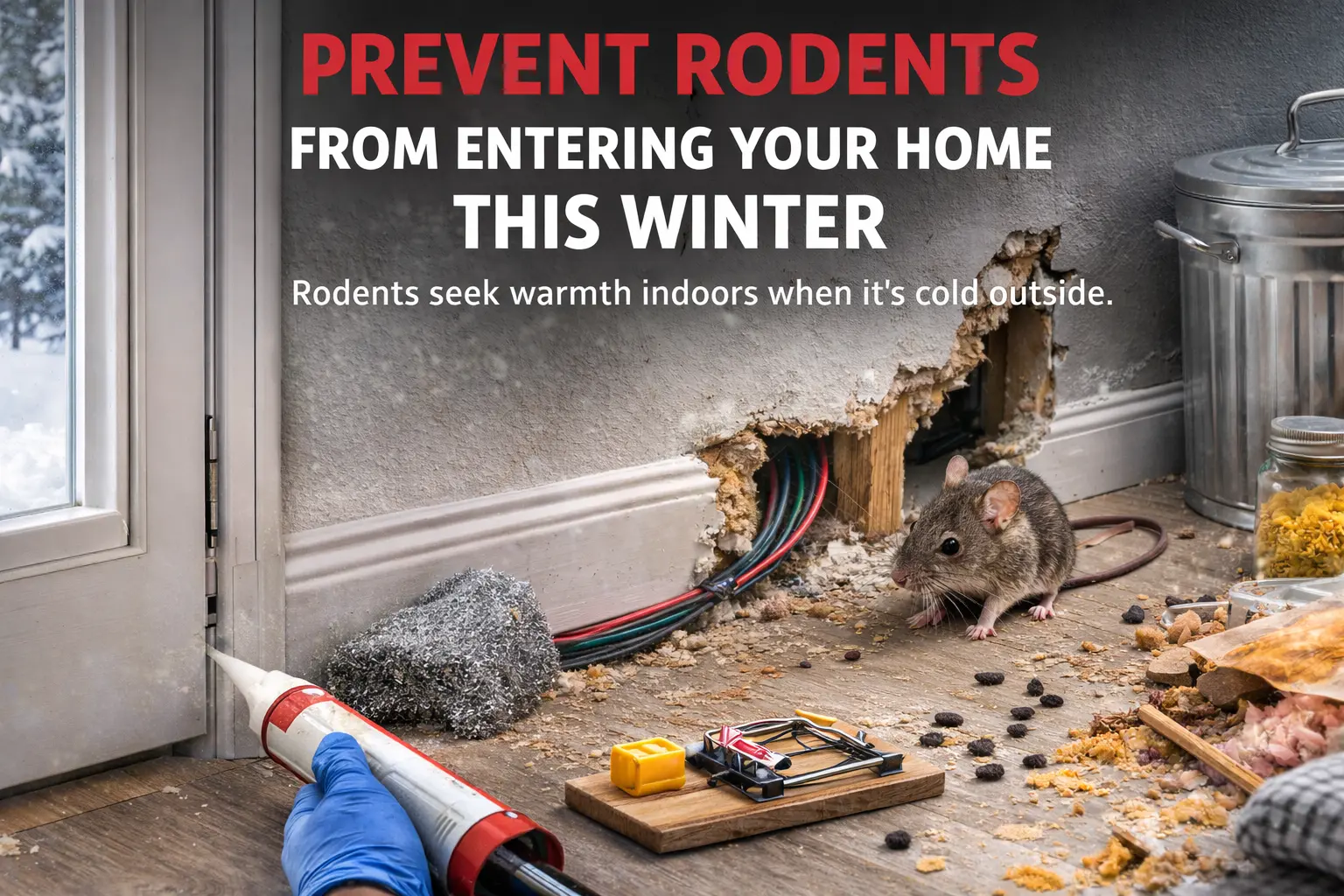
As temperatures begin to drop, rats look for warm places to nest.
Attics, garages, and wall voids provide protection from cold weather and predators.
Homes also offer easy access to food and water, making them attractive shelter locations.
Spring Nesting Activity
Spring is an active breeding season for many rodents.
As rat populations increase, younger rats begin searching for new nesting areas. Some eventually move into nearby homes and buildings.
Summer Heat and Water Sources
Oklahoma summers can be extremely hot.
During periods of high heat, rats often seek cooler shelter and reliable water sources. Homes, crawl spaces, and shaded areas become attractive places to hide.
Oklahoma Weather Plays a Major Role
Weather patterns can have a direct impact on rodent activity.
Heavy Rainfall and Flooding
Rats often build burrows outdoors.
When heavy rain floods these areas, rodents are forced to find higher ground. Homes frequently become a convenient alternative.
Many homeowners notice increased rodent activity shortly after storms or extended periods of rain.
Drought Conditions
Dry conditions can create a different problem.
When natural water sources become scarce, rats move closer to residential neighborhoods where water is easier to find.
Outdoor pet bowls, irrigation systems, and leaking faucets can attract rodents during drought periods.
Severe Storms
Strong storms can damage outdoor nesting sites and disturb rodent populations.
Displaced rats often relocate to nearby homes, sheds, garages, and commercial buildings.
Food Sources That Attract Rats
Food is one of the biggest reasons rats stay on a property.
Even small amounts of food can support rodent activity.
Pet Food
Leaving pet food outdoors overnight can attract rats and other wildlife.
Food bowls should be brought inside whenever possible.
Bird Feeders
Bird seed that falls onto the ground provides an easy meal for rodents.
Many homeowners are surprised to learn that bird feeders often contribute to rat activity.
Outdoor Trash Cans
Garbage containers that do not seal properly can quickly become feeding areas.
Keeping lids secure helps reduce attraction.
Fallen Fruit and Gardens
Fruit trees and vegetable gardens provide food throughout much of the year.
Regular cleanup can help reduce opportunities for rodents.
Pantry Items
Inside the home, rats may target:
- Pet food
- Cereal
- Rice
- Pasta
- Dry goods
Food should always be stored in sealed containers whenever possible.
Common Entry Points Around Oklahoma Homes
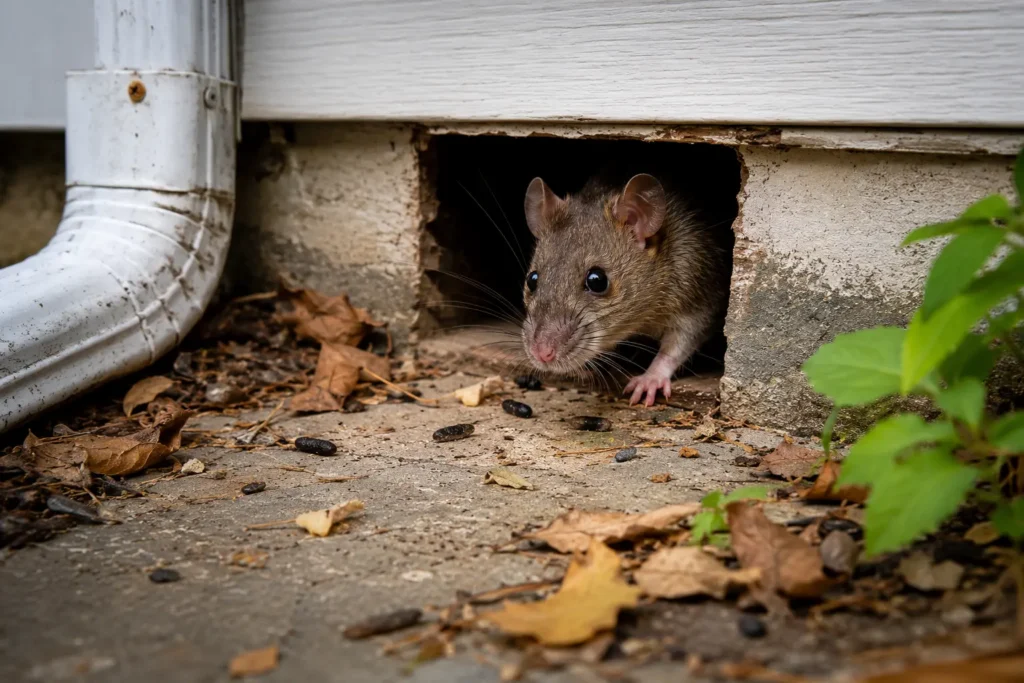
Rats do not need large openings to enter a building.
Many homes have small gaps that go unnoticed for years.
Roof Vents
Damaged or uncovered roof vents are common entry points.
Utility Openings
Pipes, cables, and utility lines often leave small gaps around exterior walls.
Garage Doors
Even a small gap beneath a garage door can allow rodents access.
Foundation Openings
Cracks and openings around the foundation can become entry routes.
Damaged Weather Stripping
Worn weather stripping around doors and windows creates opportunities for rodents to enter.
Why Older Oklahoma Homes Often Experience More Rat Problems
Older homes often have more vulnerabilities than newer construction.
As buildings age, materials naturally wear down.
Homeowners may develop rodent problems because of:
- Settling foundations
- Aging roof structures
- Older vent systems
- Gaps around utility penetrations
- Worn weather stripping
These small openings can provide easy access for rodents looking for shelter.
Can Nearby Construction Cause Rat Activity?
Yes, construction projects can sometimes increase rodent sightings.
Disturbed Nesting Areas
When land is cleared or buildings are renovated, existing rodent habitats may be disrupted.
As a result, rats often relocate to nearby properties.
Land Development
New housing developments, road projects, and commercial construction can temporarily displace rodent populations.
This may explain why some homeowners suddenly notice activity after nearby construction begins.
Neighborhood Changes
Even smaller projects can disturb nesting areas and encourage rodents to explore new locations.
What Should You Do If Rats Suddenly Appear?
Quick action can help prevent a larger infestation.
Inspect Your Property
Look for signs of activity around:
- Attics
- Garages
- Crawl spaces
- Utility rooms
- Exterior walls
Remove Food Sources
Store food securely and eliminate outdoor food sources whenever possible.
Check for Entry Points
Inspect doors, vents, utility openings, and rooflines for gaps.
Monitor Activity
Watch for additional droppings, noises, or damage that may indicate ongoing activity.
Schedule a Professional Inspection
If signs continue, it may be time to schedule an inspection to identify entry points and determine the extent of the problem.
How to Prevent Future Rat Problems
Prevention is often easier than dealing with a full infestation.
A few simple steps can make a big difference.
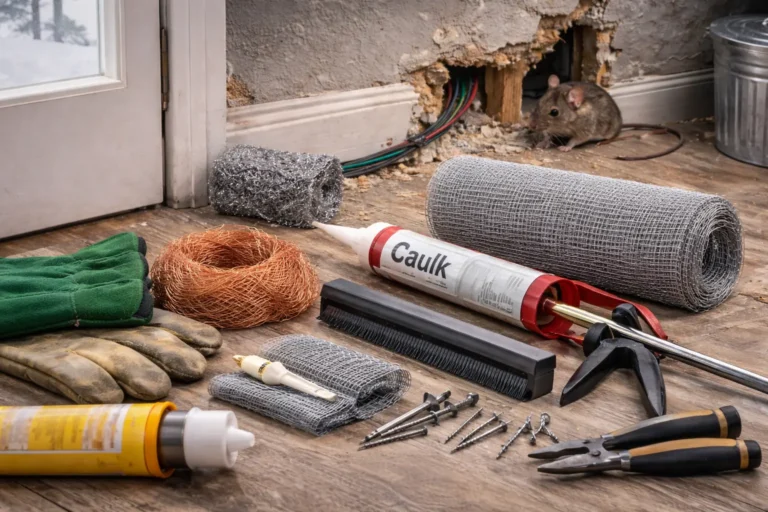
- Seal gaps and openings around the home
- Keep trash containers closed
- Trim tree branches away from the roof
- Store food in secure containers
- Remove outdoor clutter
- Maintain the property regularly
Many homeowners also invest in rodent proofing solutions to help reduce the chances of future infestations.
Final Thoughts
Rats rarely appear without a reason. Changes in weather, food availability, construction activity, and seasonal behavior often explain why homeowners suddenly notice rodent activity.
The earlier you address the problem, the easier it is to limit damage and prevent the infestation from growing.
If you’ve started noticing droppings, scratching sounds, or other signs of activity, professional rat removal services can help identify the source of the problem and provide a long-term solution.