
How to Rodent-Proof Your Home for Winter
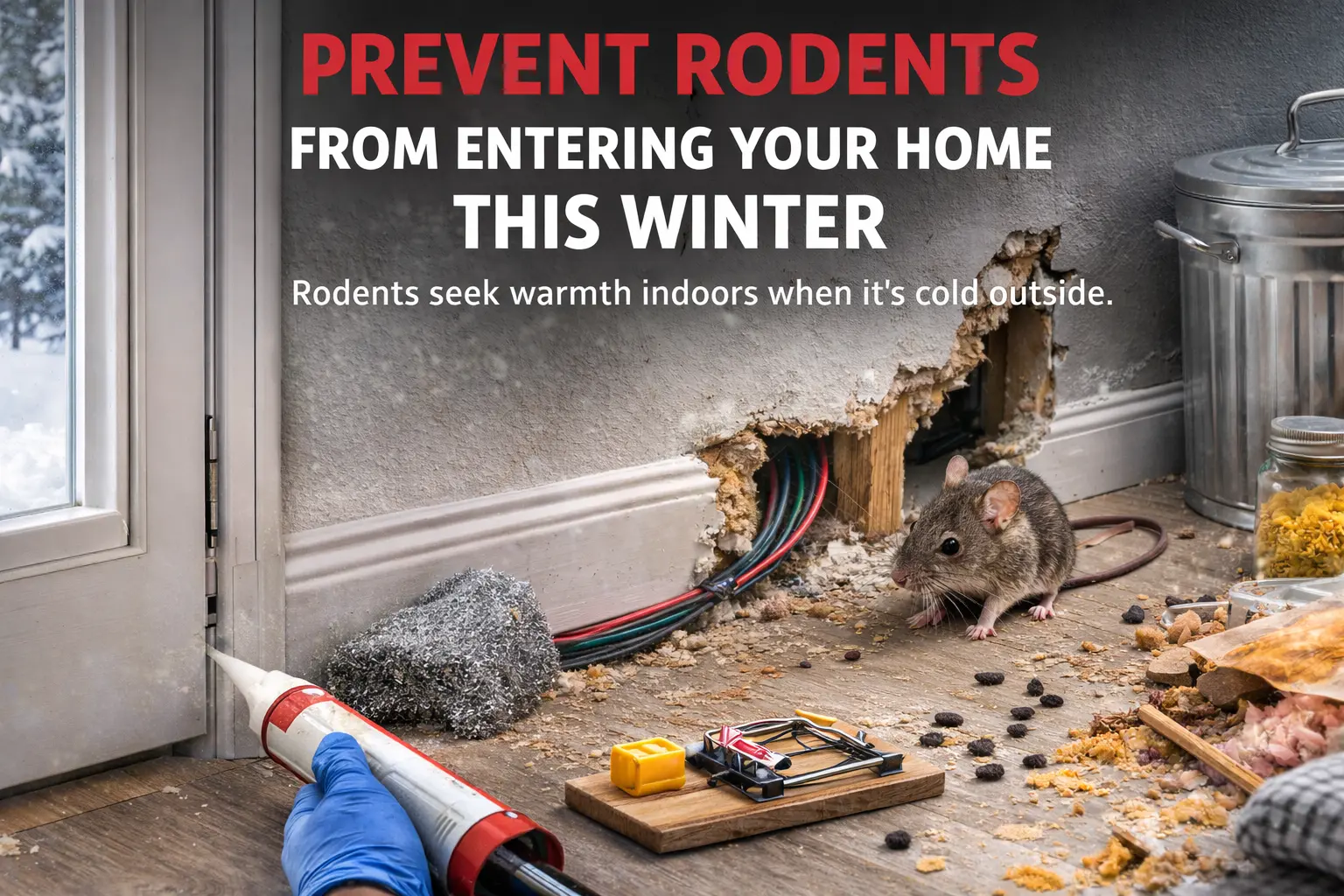
As winter approaches, many homeowners face the threat of rodents seeking shelter inside their homes. Mice and rats are notorious for invading homes in search of warmth and food during the colder months. Taking the proper steps to rodent-proof your home is essential to avoid infestations and the damage they can cause. This guide offers practical advice on how to prevent rodents from entering your home this winter, with some additional tips for homeowners in places like Norman, Oklahoma.
Why Rodents Enter Homes in Winter
As the temperatures drop, rodents become more desperate for shelter and warmth. They’re naturally drawn to cozy, insulated environments like homes, where they can find food and water. In winter, the number of outdoor food sources decreases, so rodents look for new places to thrive. Homes in older neighborhoods or those near open fields or wooded areas are often prime targets.
How to Spot Signs of Rodents in Your Home
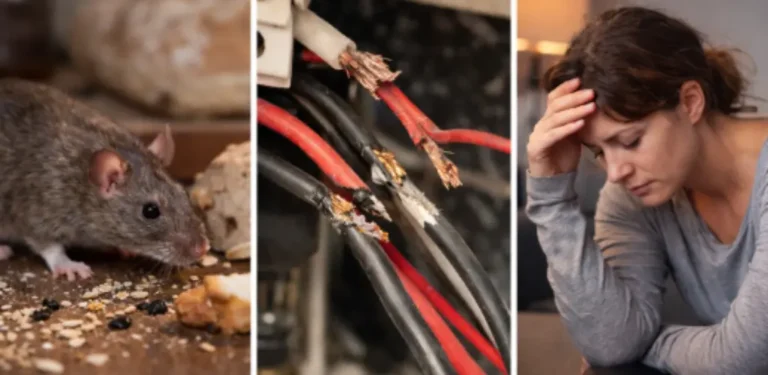
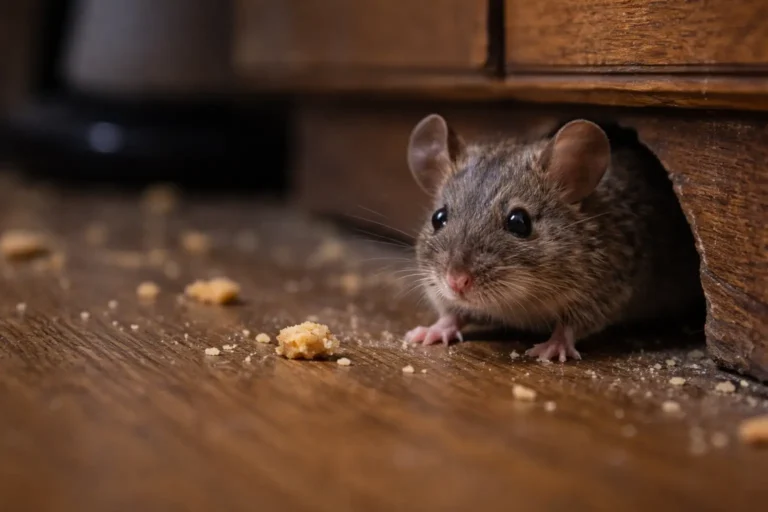
Before you can prevent rodents, you need to know the signs that they are present in your home. Early detection is key to avoiding a major infestation. Common signs of rodents include droppings, gnaw marks, and unusual sounds in the walls or attic. If you notice nests made from shredded paper, fabric, or other materials, it’s a strong indication that you have a rodent problem. Additionally, if you detect foul odors or see rodents themselves, it’s time to take immediate action.
Inspect Your Home for Entry Points
Rodents can enter your home through even the smallest openings. One of the most effective ways to keep them out is by thoroughly inspecting your home for potential entry points. Focus on these areas:
- Windows and Doors: Ensure that all windows are properly sealed and that doors close tightly. Small gaps can be enough for rodents to squeeze through.
- Vents and Plumbing: Rodents often use utility lines and vents to enter homes. Check around pipes and air ducts to ensure there are no gaps.
- Roof and Walls: Small cracks in your roof or walls can provide an easy entry. Pay attention to the condition of your roofline, as rodents are excellent climbers.
Sealing these gaps is essential in preventing rodents from entering.
Seal Gaps and Cracks Around Your Home
Once you’ve identified potential entry points, the next step is to seal them off. Here’s how to go about it:
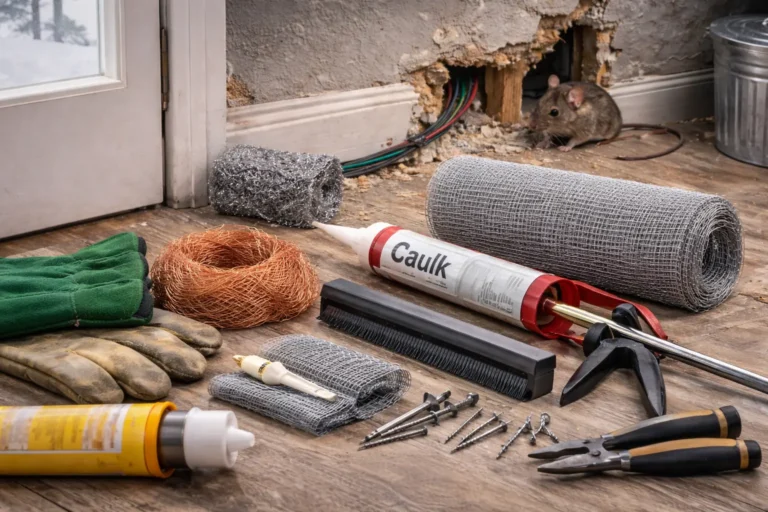
- For larger cracks, use steel wool or copper mesh, which rodents cannot chew through.
- Apply caulk to smaller gaps around windows and doors to keep rodents out.
- Install door sweeps to block the gap at the bottom of exterior doors, which is a common entry point for mice and rats.
These simple steps can make your home much more secure against unwanted invaders.
Remove Food Sources and Rodents’ Attraction
Rodents are always on the lookout for easy food sources. Reducing these food sources around your home can make it much less appealing to them. Start by:
- Storing food in airtight containers to prevent rodents from accessing it.
- Keeping your kitchen and dining areas clean, and immediately wiping up crumbs or spills.
- Storing garbage in tightly sealed bins to keep food scraps out of reach.
By eliminating food sources, you’ll make your home less inviting for rodents during the winter months.

Maintain Your Yard and Outdoor Areas
Your yard can play a big role in whether rodents try to enter your home. Keeping your yard in good condition is an important step in rodent-proofing. Here are some maintenance tips:
- Trim any overhanging tree branches that are close to your house, as rodents can use them to gain access to your roof.
- Keep firewood, compost bins, and yard debris away from your home’s foundation. Rodents love to hide in these areas and will often use them as entry points into your home.
In areas like Norman, where the weather can vary dramatically, outdoor maintenance is even more important to prevent rodents from finding their way inside.
Consider Traps or Professional Help
If you’ve sealed off all potential entry points and removed food sources, yet still notice signs of rodents, it may be time to take further action. Traps can be effective for catching small numbers of rodents, but if the infestation is larger, a professional rat control service may be needed. A trained expert can identify hidden entry points, safely remove rodents, and implement longer-term solutions to ensure your home stays rodent-free.
Conclusion
Rodent-proofing your home is a proactive step every homeowner should take before winter arrives. By sealing potential entry points, eliminating food sources, and maintaining your yard, you can prevent unwanted guests from entering your home. If you’re noticing signs of a rodent problem, don’t wait too long to act. Early intervention can save you from costly repairs and health risks associated with rodents.
For homeowners in places like Norman, Oklahoma, it’s especially important to consider local weather conditions that can increase the risk of rodent invasions. If you’re concerned about a potential infestation, don’t hesitate to contact a professional for a comprehensive inspection and treatment plan.