How to Prevent Rodents from Entering Your Home This Winter
As the temperature drops and winter settles in, homeowners often find themselves facing an unwelcome problem: rodents seeking shelter indoors. Mice, rats, and other pests are not only a nuisance but can also cause significant damage to your home and pose health risks. Understanding how to prevent rodents from entering your home during the colder months is crucial to protecting your property and ensuring a rodent-free winter.
In this post, we’ll explore practical steps for rodent proofing your home before the cold weather sets in, ensuring your living space stays safe and comfortable.
The Winter Rodent Problem: Understanding Rodent Behavior
Winter is prime time for rodents. As temperatures drop, mice and rats start looking for warmer, sheltered places to nest, and your home can seem like the perfect refuge. Rodents are incredibly resourceful and capable of entering through the smallest cracks or openings. Once inside, they’re attracted to food sources, warmth, and nesting spots, making it essential to be proactive in preventing their entry.
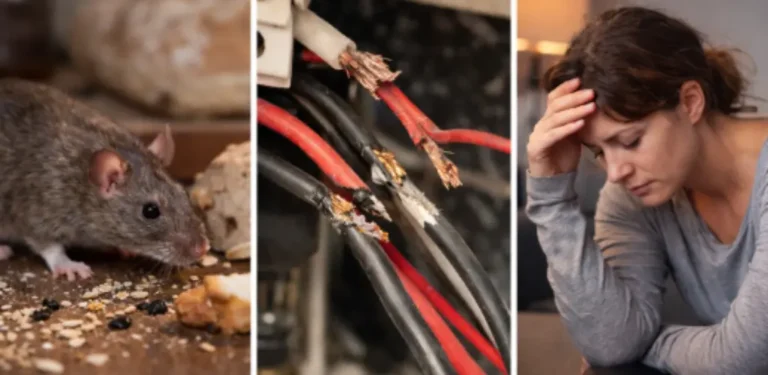
Rodents breed rapidly, and what starts as a small problem can quickly escalate into a full-blown infestation. Mice and rats can damage electrical wiring, insulation, and furniture, while also contaminating food with their urine, droppings, and fur. Additionally, rodents can carry diseases like salmonella and hantavirus, making exclusion even more important.
Key Areas to Inspect and Seal Before Winter Hits
To prevent rodents from entering your home, focus on inspecting and sealing key entry points around your property. Here’s a breakdown of the areas that need attention:
- Foundation and Walls:
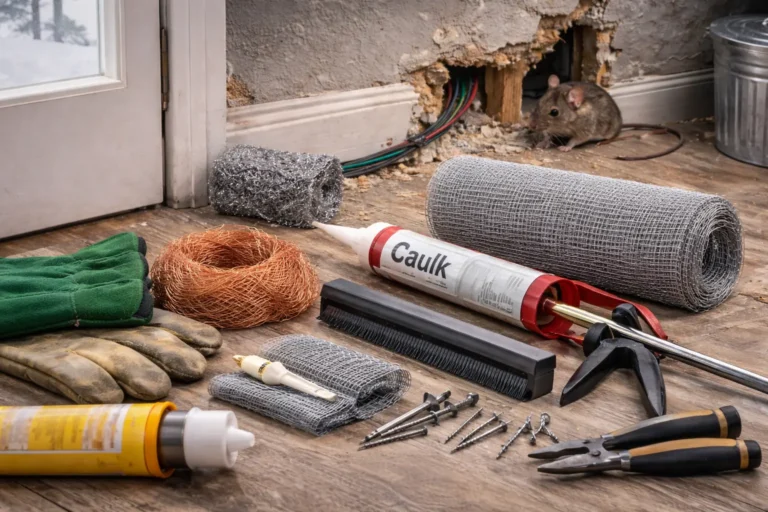
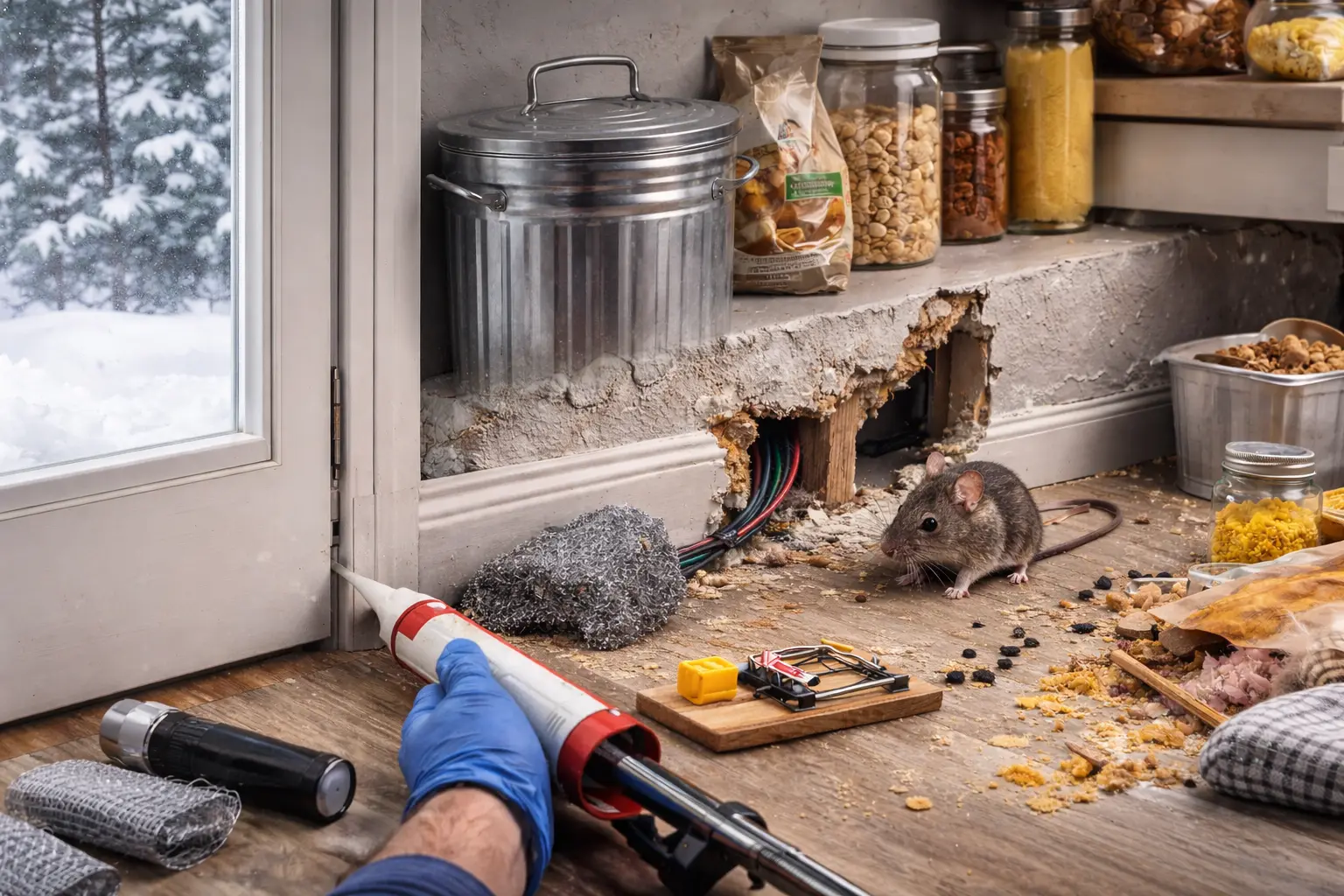
Mice and rats can enter through even the smallest of gaps. Inspect your home’s foundation for cracks, holes, or gaps. Use caulk, foam, or steel wool to seal these openings effectively. Ensure there are no gaps where plumbing or wiring enters your home, as these are common entry points for rodents. - Windows and Doors:
Check the weatherstripping on doors and windows to ensure it’s intact. Replace damaged door sweeps and make sure there are no gaps around window frames. Mice can squeeze through even the tiniest openings, so it’s crucial to have tight-fitting seals. - Roof and Attic:
Rodents can easily enter through the roofline, especially around chimneys, vents, and gaps in the flashing. Inspect the roof for any potential openings, and use metal mesh or mesh screens to cover vent openings and chimney caps. It’s better to seal these areas now than to deal with an attic full of mice later. - Basement and Crawlspaces:
Many rodents enter homes through basement windows or vents. Check for gaps around basement windows, foundation walls, or crawlspace vents. These spaces can often be neglected, providing easy access for rodents. Adding door sweeps and checking for moisture issues can also prevent them from taking shelter in these areas.
The Importance of Proper Waste Management in Winter
Rodents are always looking for food sources, and winter makes it even more difficult for them to find. Proper waste management is essential for keeping rodents out of your home.
- Secure Trash Bins: Ensure that your trash bins are tightly sealed with lids that cannot be easily opened by rodents. Store them away from entry points, such as windows or doors, where rodents might easily access food waste.
- Properly Store Food: Store food, especially pet food and pantry staples, in airtight containers. Mice can gnaw through cardboard and plastic to access food, so ensure all food items are securely stored in sealed containers.
- Clean Up: Regularly clean up crumbs, spills, and food debris. Pay special attention to areas under the stove, refrigerator, and cupboards, where food particles are often overlooked. Keeping your home clean removes potential food sources for rodents and discourages them from seeking shelter indoors.
Keep Your Home’s Exterior Safe from Rodents
The exterior of your home plays a significant role in rodent prevention. By maintaining the area around your house, you can reduce the likelihood of rodents finding their way in.
- Trim Trees and Shrubs: Trim back tree branches and shrubs that are near your home, especially those that are close to windows, the roofline, or attic vents. Rodents, especially squirrels, can use overhanging branches as bridges to enter your home.
- Seal Outdoor Gaps: Ensure that vents, exhaust pipes, and utility lines are properly sealed. Rodents can squeeze through gaps around pipes and ducts, so cover them with mesh or other rodent-proof materials to block their access.
- Check Attic Vents: Attic vents are a prime entry point for rodents, especially rats. Install fine wire mesh over vent openings to keep rodents out while allowing proper ventilation.
Winter Rodent Proofing: Using Traps and Baits
While sealing entry points is the first step, setting traps and using bait can help keep rodents away during the winter months. Here’s how to approach it:
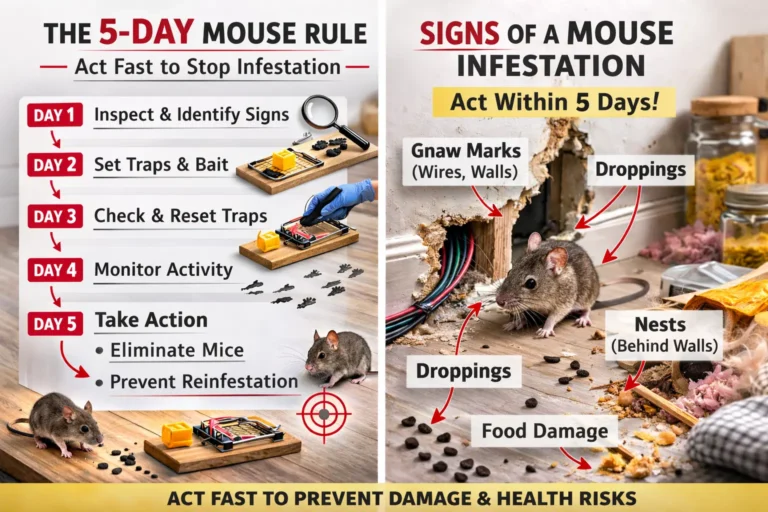
- Best Locations for Traps: Place traps in areas where rodents are likely to enter. Look for signs of activity, such as droppings or gnaw marks. Set traps along walls, near food sources, and in hidden corners where rodents are likely to travel.
- Choosing the Right Trap: There are different types of traps, such as snap traps, live traps, and electronic traps. Snap traps are one of the most effective ways to catch mice, while live traps are ideal for those who prefer to release rodents elsewhere. Electronic traps provide a more humane method of killing rodents instantly.
- Baits and Repellents: Rodent bait stations are an effective way to lure rodents to specific locations. You can also use natural repellents like peppermint oil or ultrasonic devices to deter rodents from entering your home.
The Role of Professional Pest Control in Winter Rodent Prevention
While DIY measures are often effective, there are times when professional pest control services are necessary. If you’ve followed all the preventive steps and still see signs of rodent activity, it’s time to contact a professional.
Pest control experts can inspect your home for potential entry points, offer more advanced solutions, and provide ongoing monitoring and exclusion services. Professional rodent proofing ensures that your home stays safe from winter invasions and helps prevent long-term damage.
Signs of a Rodent Infestation to Watch for in Winter
Even with proactive measures, signs of rodent activity can still occur. Watch for the following:
- Droppings: Rodent droppings are often found in areas where they feed or travel. These small, dark pellets are a clear sign of rodent activity.
- Gnaw Marks: Rodents constantly gnaw on materials to keep their teeth sharp. Look for gnaw marks on furniture, wires, and food packages.
- Strange Noises: Scratching or scampering noises from walls or ceilings at night are a telltale sign of mice or rats.
If you notice these signs, act quickly to prevent further damage.
Bottom Line: Be Proactive to Keep Rodents Out This Winter
Rodent proofing your home before winter sets in is the best way to prevent infestations. By inspecting and sealing key entry points, managing food and waste properly, and using traps or repellents, you can keep rodents at bay throughout the colder months. If necessary, don’t hesitate to contact a professional pest control service for added peace of mind. Be proactive, and you’ll enjoy a rodent-free winter season.